

Trends in iPaaS for 2026: Key Insights and Future Predictions
Summarise the blog with AI
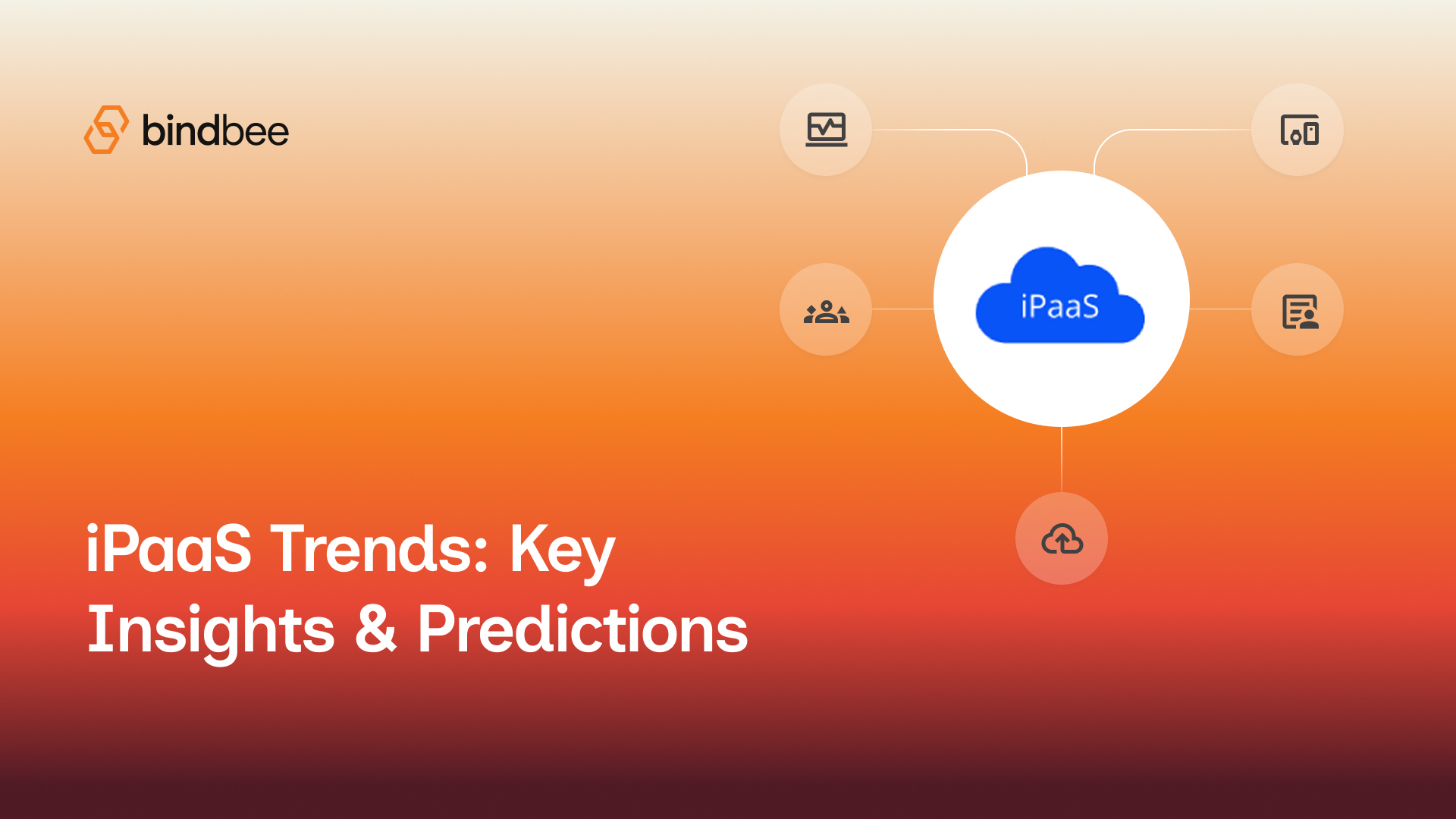
Every new integration you ship slows you down more than it should. Weeks are spent on API research, authentication flows, and data mapping that don't differentiate your product. iPaaS platforms promised to fix this, but the category has evolved significantly, and what matters in 2026 is different from what mattered in 2020. This guide covers where iPaaS is heading and what to evaluate.
Key Highlights:
- iPaaS is consolidating around AI-assisted workflow building, embedded integration capabilities, and vertical specialization.
- Horizontal iPaaS platforms are strong for enterprise IT automation but struggle with the deep data depth that HR Tech and benefits platforms require.
- Vertical unified APIs are emerging as the preferred architecture for B2B SaaS products that need deep coverage in a specific category.
- Bindbee is a vertical unified API for HR Tech — 67+ integrations, benefits-depth data models, write-back support.
The Core iPaaS Architecture Shifts
1. AI-Assisted Integration Building
The most significant shift in iPaaS in 2025-2026 is AI entering the integration building workflow. Major platforms are adding:
- Natural language to workflow conversion
- Automated field mapping suggestions based on schema analysis
- Error detection and remediation recommendations
- Auto-generated documentation for integration flows
For IT teams building internal automations, this meaningfully reduces time-to-deployment. For product engineers building customer-facing integrations, the impact is more limited — the complexity is in edge cases and data normalization, not workflow definition.
2. Embedded Integration Becoming Table Stakes
The expectation that SaaS products should offer native integration experiences (rather than routing customers to Zapier) is now standard in B2B SaaS. This has driven demand for embedded iPaaS solutions and unified APIs that product teams can deploy inside their own product UI.
Customers increasingly expect to connect their HRIS, CRM, or ERP directly within a product, not through a third-party automation tool. Products that still rely on CSV imports or manual data entry are losing deals to competitors that have solved the integration layer.
3. Vertical Specialization vs. Horizontal Coverage
The horizontal iPaaS model — one platform for everything — is under pressure from vertical alternatives that go deeper in specific categories. For HR Tech and benefits companies, this is the most relevant trend.
Horizontal platforms offer breadth: HRIS, CRM, ATS, accounting, marketing automation in one place. The tradeoff is depth: benefits-specific data objects (dependent coverage, deduction configurations, payroll runs, enrollment elections) are often incomplete or missing.
Vertical unified APIs focus on one category and normalize data at the field level. For platforms where HRIS connectivity is the core technical requirement, this delivers better data coverage and lower maintenance overhead.
What to Evaluate in 2026
| Criteria | Horizontal iPaaS | Vertical Unified API |
|---|---|---|
| Coverage breadth | Many categories | One category, deep |
| Data depth | Generalist schemas | Purpose-built models |
| Write-back support | Limited | Pre-negotiated |
| Best for | Internal IT automation | B2B SaaS product integrations |
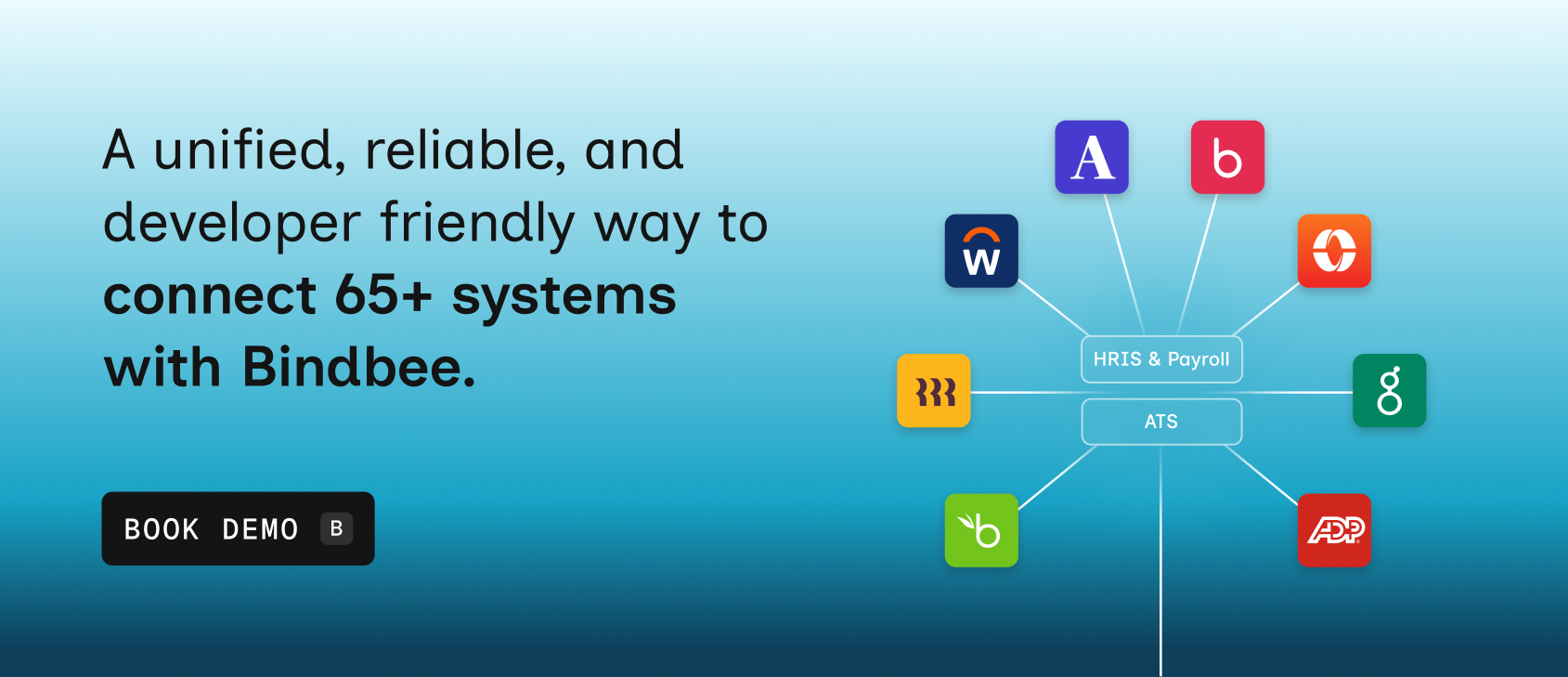
Book a demo to see how Bindbee's 67+ HRIS and payroll integrations work for HR Tech products.